
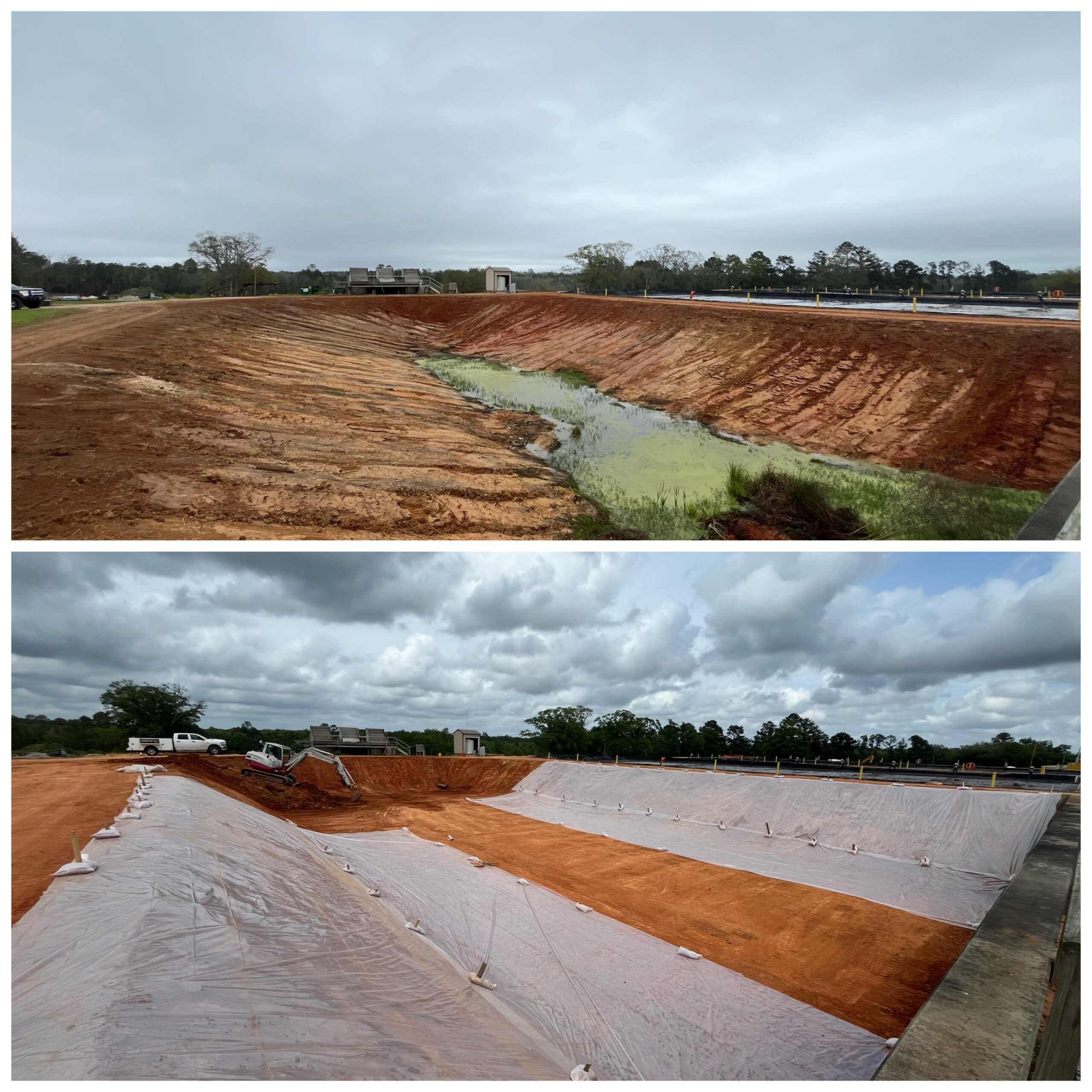
Pond construction is the process of excavating and shaping land to create artificial bodies of water that serve a wide range of purposes—from recreational use and irrigation to stormwater management and landscape enhancement. Whether designed as a peaceful backyard retreat, a functional farm pond, or a feature of a commercial property, a well-constructed pond begins with thoughtful planning and site evaluation.
The planning phase is crucial and includes selecting the right location, determining the pond’s size and depth, and evaluating nearby topography and water flow. A suitable site will have minimal slope, stable soil conditions, and access to a consistent water source—whether that’s natural runoff, a spring, or a well. Drainage is another key consideration; the pond must be designed to manage overflow safely without eroding surrounding land or affecting nearby structures.
Once the design is finalized, construction begins with clearing vegetation and marking out the pond’s boundaries. Heavy machinery, such as bulldozers and excavators, is used to dig and shape the pond basin according to the specified depth contours and shoreline features. In many cases, the pond is built with shelves or ledges at different depths to support aquatic plants and provide varying habitats for fish and other wildlife.